PRODUCT OVERVIEW
Designed around the production task.
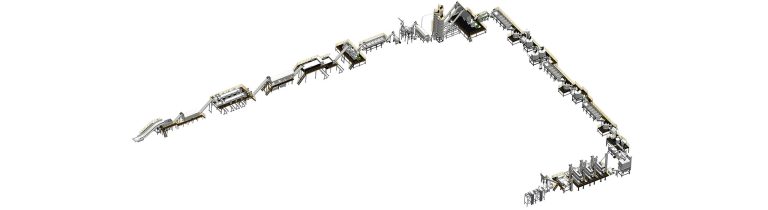
A PET bottle washing and recycling process combining sorting, wet size reduction, washing, separation and flake preparation for the specified downstream route.
MATERIAL & PROCESS CONTEXT
Material, process and output context.
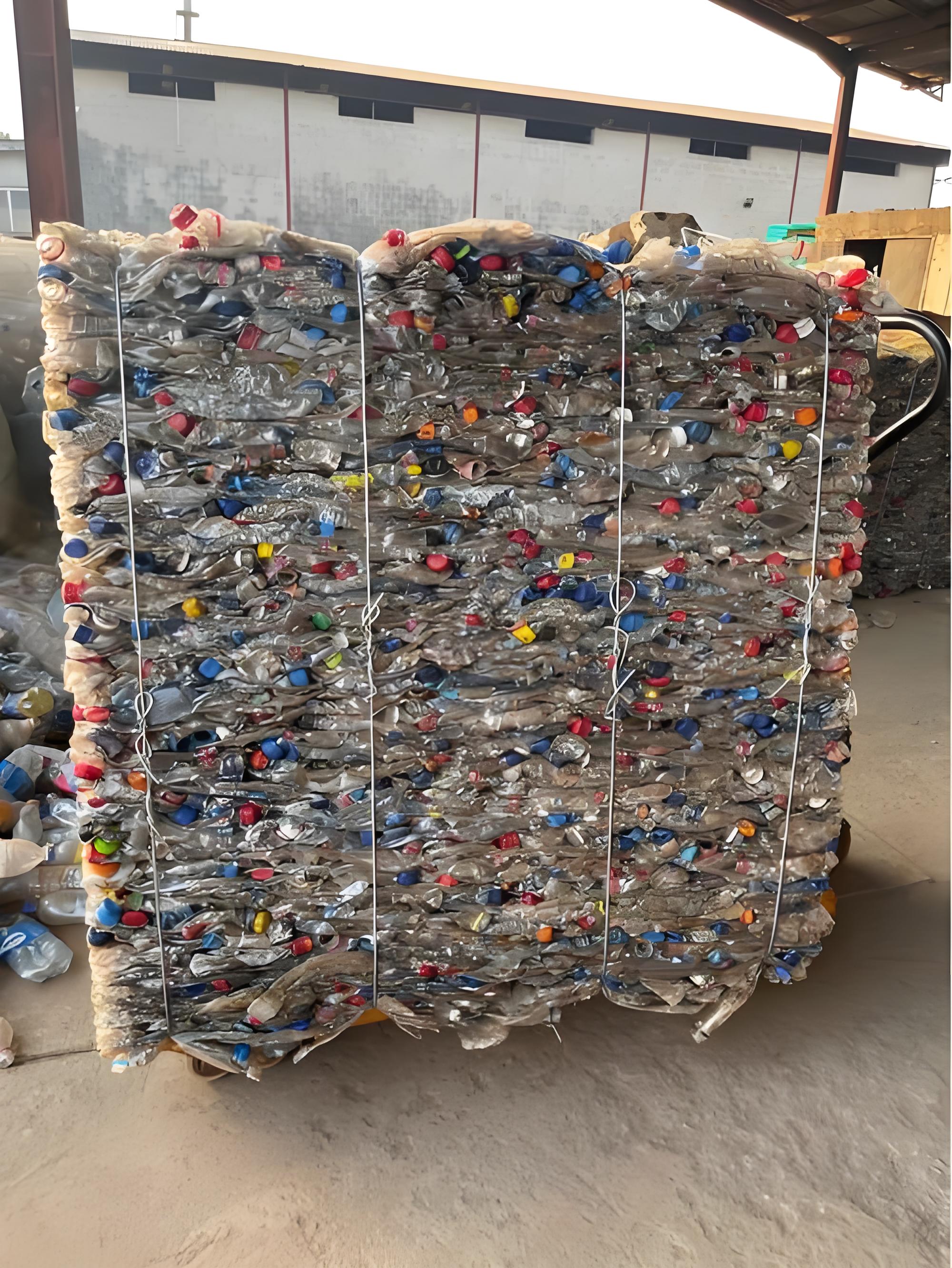
Bottle-bale feedstock
The PET route begins with the declared bottle mix, labels, colour mix and contamination condition. These inputs determine the selected preparation and washing route.
Three application routes
B2B pre-treatment, high-quality non-food and fibre routes share the same review discipline but do not imply the same final configuration. The route is selected only after the intended downstream application is confirmed.
Washing, rinsing and preparation
The candidate process can include bale opening, de-labelling, sorting, size reduction, washing, rinsing, dewatering, drying and selected flake handling. Food-contact decontamination is outside this washing-line scope.
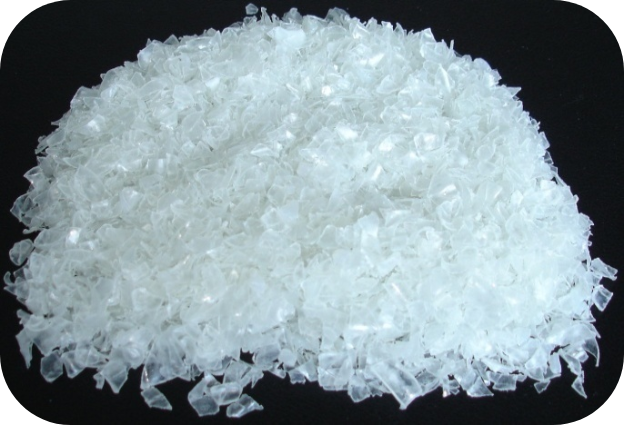
Prepared PET flakes
The image shows prepared PET flakes after the selected washing route. It does not establish a food-contact, purity, yield or performance claim.
CONFIGURATION ENGINEERING
Engineering pet bottle preparation route around the actual material
A recycling system is defined from the actual feedstock and required downstream use, not from a headline model or capacity. Material condition, contamination, safety boundary and each process interface are reviewed together before a project configuration is released.
Material definition
Confirm polymer family, material form, incoming size, contamination profile, moisture, labels, metals, non-target fractions and any restricted or hazardous contents before selecting the route.
Process-route integration
The selected process interface is feed preparation, de-labelling, washing, rinsing, drying and sorting. Each module is balanced with its upstream preparation, downstream handling and the declared target material requirement.
Utilities, residue and safety
Water management, residue handling, ventilation, access, guarding and site constraints are defined with the actual material and local operating conditions; they are not assumed from a generic reference line.
Project confirmation
The final equipment list, operating window, controls and acceptance criteria are confirmed through project engineering, controlled technical review and the agreed validation plan.
FOR A TECHNICAL PROPOSAL
Information that lets us define the right line.
- Bottle mix, labels, contamination, colour mix and target application
- Clear material photos or representative samples, including packaging and contamination condition
- Required target material, downstream use and any purity, moisture or handling expectations
- Factory layout, utilities, water-treatment boundary, safety rules and local regulatory requirements
- Required controls, service access, documentation language and project delivery expectations
This v2 Beta page presents the R&D-signed technical reference for the stated material and process scope. It is not a price, delivery, quality, certification or contractual performance commitment; the final project configuration and acceptance conditions remain subject to controlled engineering review.
TECHNICAL DATA
PET bottle washing line configurations
| Internal platform | Application route | Internal design platform | Nominal platform | Prepared material / boundary |
|---|---|---|---|---|
| Platform 1 | B2B pre-treatment, non-food or fibre route after project selection | 800–1,200 kg/h | 1,000 kg/h | Prepared PET flakes within the selected route |
| Platform 3 | B2B pre-treatment, non-food or fibre route after project selection | 2,800–3,200 kg/h | 3,000 kg/h | Prepared PET flakes within the selected route |
| Platform 5 | B2B pre-treatment, non-food or fibre route after project selection | 4,800–5,200 kg/h | 5,000 kg/h | Prepared PET flakes within the selected route |
Platform 1
- Application route
- B2B pre-treatment, non-food or fibre route after project selection
- Internal design platform
- 800–1,200 kg/h
- Nominal platform
- 1,000 kg/h
- Prepared material / boundary
- Prepared PET flakes within the selected route
Platform 3
- Application route
- B2B pre-treatment, non-food or fibre route after project selection
- Internal design platform
- 2,800–3,200 kg/h
- Nominal platform
- 3,000 kg/h
- Prepared material / boundary
- Prepared PET flakes within the selected route
Platform 5
- Application route
- B2B pre-treatment, non-food or fibre route after project selection
- Internal design platform
- 4,800–5,200 kg/h
- Nominal platform
- 5,000 kg/h
- Prepared material / boundary
- Prepared PET flakes within the selected route
Internal candidate only. Capacity figures are route platforms, not verified production guarantees. Food-contact, deep decontamination, extrusion, SSP and regulatory validation are separate scopes.